
Best Discount Ammo Deals Online: Bulk 9mm, .223, and .308 Rounds at Wholesale Prices
Most shooters overpay for every box they fire, yet discount ammo delivers the same ballistic punch for a fraction of the retail price. By buying in bulk, opting for factory seconds, or snagging seasonal clearance deals, you slash costs without sacrificing reliability or accuracy. Every round saved is a trigger pull earned, letting you train harder, compete sharper, and hunt longer for less money. Lock in these low prices when you see them, and your range time becomes both cheaper and more productive.
How to Spot Genuine Savings on Bulk Ammunition
To spot genuine savings on bulk ammunition, calculate the **cost per round** rather than fixating on the total price, since higher case counts often mask marginal discounts. Compare the per-round rate against standard retail for the same brand and grain; a true deal typically beats that baseline by 15% or more. Verify that the discount ammo isn’t remanufactured or steel-cased unless you specifically want those, as lower material quality can negate the savings through reduced reliability or barrel wear. Check the packaging date or lot code, because old stock sold as “closeout” can suffer from corroded primers or degraded powder, making it worthless regardless of price. Finally, factor in shipping and hazmat fees—bulk orders over 50 pounds often trigger surcharges that erase the per-round edge, so insist on flat-rate or free freight thresholds to keep the deal real.
What Actually Makes a Cartridge Price “Discounted” vs. Just Cheap
A cartridge is genuinely discounted only when its per-round cost drops below the established baseline for that specific load—same bullet weight, same powder charge, same primer type—without a reduction in ballistic consistency or case quality. Cheap ammo, by contrast, is priced low from inception because it uses thinner brass, inconsistent propellant, or pulled bullets. To spot the difference, compare the sale price against the SKU’s historical average, not against a different brand’s budget line. If the low price is a temporary deviation from an otherwise stable MSRP, it’s a discount; if it’s permanently low with poor grouping, it’s just cheap. Marginal cost per box only matters if the round’s muzzle velocity and accuracy match factory spec.
Q: What actually makes a cartridge price “discounted” vs. just cheap?
A: A discount is a short-term price reduction on a load that normally costs more, while cheap ammo is built to a lower cost ceiling from the start—so the savings come from materials, not marketing.
Reading the Fine Print: New, Remanufactured, or Overrun Lots

The label on discount ammo often hides the production type, so scrutinize it before checkout. **New ammunition** comes straight from the manufacturer, offering consistent headstamps and reliable ballistics, but rarely appears at deep discounts unless it’s a clearance overrun. Remanufactured rounds use once-fired brass that has been inspected and reloaded; they save money but may have mixed headstamps or slightly reduced powder charges, so verify the primer type and bullet weight. Overrun lots are surplus from military or commercial contracts, often sold below cost, but check the manufacturing date—old 9×18 Makarov Ammo for Sale powder can degrade accuracy. Ask: Is the price drop from a genuine overrun, or is it remanufactured stock that needs function testing? Always match the ammo’s stated velocity to your firearm’s manual, as reman loads sometimes run softer than factory spec.
Calculating True Cost Per Round After Shipping and Taxes
The advertised price per round rarely reflects your final outlay, so you must calculate the true cost after shipping and taxes before committing to bulk ammo. Start by adding the exact shipping fee to the cart total, then divide that sum by the total number of rounds in the case. Next, apply any applicable sales tax to the subtotal *plus* shipping, as some states tax the combined figure. For example, a $300 order of 1,000 rounds with $25 shipping and 8% tax yields a true cost of $351, or $0.351 per round—versus the $0.30 sticker price. True cost per round after shipping and taxes exposes whether a “discount” actually beats a smaller, locally purchased 7mm Rem Mag Ammo for Sale box. Follow this sequence:
- Add product subtotal plus shipping.
- Multiply that total by the tax rate and add it back.
- Divide the final total by the round count.
- Compare this figure against local pricing per round.
Where to Hunt for Low-Cost Rounds Without Sacrificing Reliability
For discount ammo that still hits hard, skip the random gun-show bins and target established online bulk sellers like Lucky Gunner or Bereli, where customer reviews 6mm Remington Ammo for Sale and return policies keep bad batches in check. Another sweet spot is your local shooting range’s used-brass bin—but only buy factory-new remanufactured loads from outfits like Freedom Munitions that post pressure-test data, not mystery handloads. Military surplus sites (AmmoShop) often sell sealed cans of 7.62×39 or 5.56 at deep cuts, and since it’s mil-spec, function is predictable.
The real trick: sort by price-per-round, then filter for “brass case” and “boxer primer”—that combo usually protects your gun and your wallet.
Finally, join a regional forum’s classifieds; seasoned reloaders sometimes offload legit factory seconds, but only buy if they show lot numbers and you test a mag before stocking up.
Comparing Online Retailers vs. Local Big-Box Stores for Markdowns
For markdowns on discount ammo, local big-box stores excel at rapid, in-store clearance tags on overstocked calibers, often slashing prices 10–20% without online notice. Conversely, online retailers apply algorithmic price drops on slow-moving SKUs, but you must factor in shipping and a 3–5 day delay, which can erase the savings. In-store, you instantly verify the box’s lot date and seal; online, you rely on inventory snapshots that may already be sold 9.3x62mm Mauser Ammo for Sale out. Big-box markdowns are sporadic and location-specific, while online markdowns are consistent but require cart-abandonment tricks to trigger extra coupons. Check the local store’s clearance endcap weekly; online, set a price alert for your exact grain weight.
Using Price-Tracking Tools and Alert Systems for Price Drops

Setting up price-tracking tools and alert systems for ammo requires you to first create a free account on sites like AmmoSeek or WikiArms, then input your specific cartridge and desired price threshold. Once configured, these platforms scan dozens of retailers every few minutes, emailing or pushing a notification the moment a round dips below your target. For faster drops, enable browser extensions that auto-refresh stock pages and trigger audible alarms. Do not rely solely on one tracker, as some vendors block crawlers, leaving manual checks necessary for niche calibers. Finally, filter alerts to exclude shipping costs, or the “deal” may vanish after checkout.
- Set a price-per-round ceiling, including estimated shipping, before activating alerts.
- Prioritize trackers that show historical price charts to spot true lows versus temporary blips.
- Act within minutes of an alert, as high-demand discounts sell out quickly.
Seasonal Clearance Cycles and When Retailers Slash Prices
Retailers follow predictable seasonal clearance cycles, so you can time your ammo buys around them. Post-holiday January and late summer (August) are prime windows when stores slash prices to move overstocked hunting calibers before new inventory arrives. Look for deep discounts on .223 and 9mm right after federal fiscal-year close in September, as distributors dump bulk lots. Spring (April–May) often clears out winter shotgun shells and pistol rounds, while Black Friday deals are real but thinner—stockpiles get picked over fast. Set calendar reminders for these four windows and check clearance sections weekly during them.
Smart Strategies for Buying Bargain-Priced Ammunition in Bulk
To truly master smart strategies for buying bargain-priced ammunition in bulk, you must focus on cost-per-round, not the sticker price. When hunting for discount ammo, 9.3x72R Ammo for Sale prioritize reputable remanufactured rounds or bulk-packed new brass from established brands, as these offer the deepest savings without sacrificing reliability. Commit to purchasing large quantities—like 1,000 rounds—only when the per-box math beats your local store by at least 15%, and split the order with a shooting buddy to hit free-shipping thresholds. Sign up for email alerts from major discount ammo retailers and act instantly on flash sales, but always verify the lot’s manufacturing date to avoid stale primers. Crucially, buy the same lot number for match consistency, and store your haul in airtight ammo cans with desiccants to protect your investment. This disciplined approach turns sporadic deals into a dependable, low-cost ammunition reserve.
Choosing the Right Caliber and Grain Weight for Your Firearm
When hunting for bargain ammo, choosing the right caliber and grain weight for your firearm is the first rule—never buy a deal just because it’s cheap. A 115-grain 9mm might cycle perfectly in your Glock, but a 147-grain subsonic load could short-stroke a lighter Ammunition for Sale recoil spring. Check your barrel’s twist rate and manual; a 1:7 twist prefers heavier bullets, while 1:12 favors light varmint rounds. Stick to the exact caliber stamped on the slide or receiver—nothing else fits safely. Matching grain weight to your gun’s intended purpose (defense vs. plinking) prevents malfunctions and wasted boxes. That $80 case of 124-grain 5.56 is useless if your rifle groups like a shotgun with it.
- Verify caliber and grain against your owner’s manual before bulk purchase.
- Test 50 rounds of any new grain weight before committing to a case.
- Use lighter grains for training, heavier for suppressed or match use.
How to Test a Small Sample Batch Before Committing to a Case
Before buying a full case of discount ammo, purchase a single box from the same lot number and run a **small sample batch test** under controlled conditions. Fire at least 50 rounds through your specific firearm, checking for primer strikes, case extraction, and consistent velocity via a chronograph. Examine spent brass for bulges, splits, or excessive soot, which indicate poor sealing or low pressure. Also, test for accuracy at your typical engagement distance, shooting five-shot groups to compare against your baseline load. If any malfunctions occur—light strikes, failure to feed, or keyholing—reject that lot immediately. A case is a 1,000-round commitment; a $15 box is a cheap insurance policy.
Q: How do I test a small sample batch for hidden issues like fouling or corrosion?
A: After firing 50 rounds, run a bore snake through the barrel and inspect the patch for green residue (copper fouling) or gritty carbon. If the patch shows rust-colored streaks or the action feels sticky, the ammo’s propellant or primer is corrosive. Also, weigh a few spent cases on a digital scale—consistent weight means uniform powder charges. A 0.5-grain variance between cases signals sloppy manufacturing, so skip that case and seek .50 Cal Ammo for Sale a different discount brand.
Storage Tips to Keep Surplus Rounds Fresh for Years
To make bargain-priced ammo pay off, you must seal surplus rounds against moisture 9mm Ammo for Sale with airtight, military-grade ammo cans and silica gel desiccant packs. Store these cans in a cool, dark environment—ideally below 70°F—since prolonged temperature swings accelerate powder degradation. Rotate your stock annually, shooting the oldest rounds first, to prevent seal fatigue. Add a humidity indicator card inside each can; if it reads above 30%, swap the desiccant immediately. Avoid basement floors or garage walls, where condensation creeps in. For long-term storage, vacuum-sealing individual 50-round bundles inside the main can adds a second barrier against corrosive primers.
- Use desiccant packs and replace them every six months
- Store cans off concrete, elevated on wooden pallets
- Label each can with purchase date and lot number
- Inspect for corrosion on case mouths before resealing
Reducing Range Day Costs with Budget-Friendly Practice Rounds
Shooting often hinges on volume, and discount ammo directly enables more trigger time without inflating your range day budget. Buying bulk remanufactured or surplus practice rounds in common calibers like 9mm or .223 slashes per-box costs significantly, letting you fire hundreds more rounds for the same money. Focus your discount purchases on basic ball ammunition for drills, while 7mm Rem Ultra Mag Ammo for Sale reserving premium defensive loads only for occasional function checks. *However, verify that your firearm cycles discount ammo reliably before committing to a large case purchase, as some budget powders or primers can be dirtier or softer recoiling.* Rotating through several discount brands during practice builds familiarity with varied performance, and tracking your cost-per-round helps you compare deals across suppliers. Ultimately, consistent practice with cheaper ammunition improves fundamentals far faster than saving it for rare, expensive outings, making every range session both affordable and productive.
Mixing High-End Defensive Loads with Economical Training Rounds
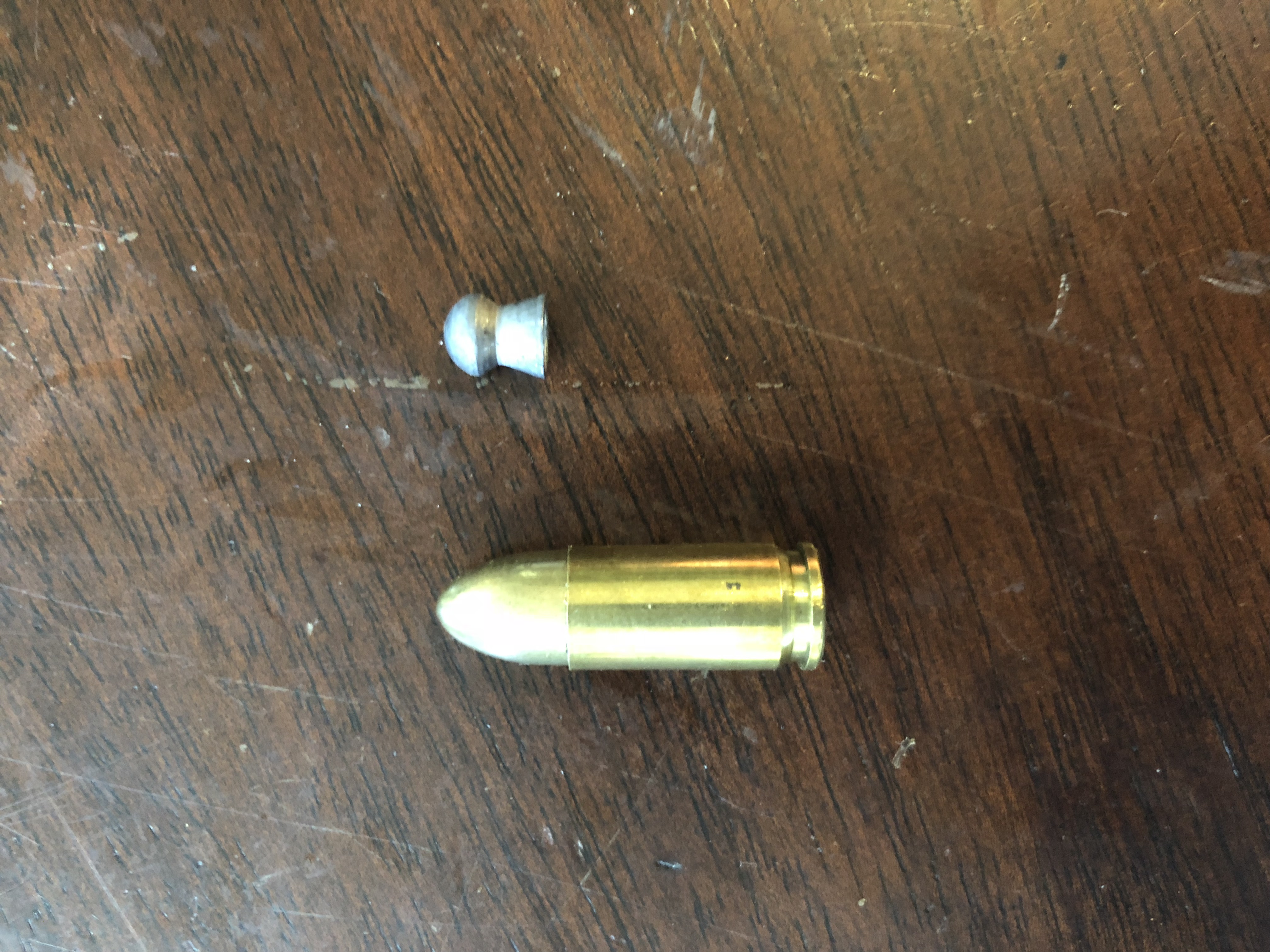
To maximize savings, reserve premium jacketed hollow points exclusively for magazine carry and periodic reliability checks, while burning through bulk FMJ for the bulk of your practice. This split hinges on establishing a consistent point of impact between the two loads, which requires you to fire a few defensive rounds first to confirm zero, then execute most drills with cheaper ammunition. Since recoil impulses differ, you must periodically cycle back to the defensive load to maintain muscle memory and ensure the firearm cycles it flawlessly. This strategic ammunition split reduces overall expenditure without sacrificing the terminal performance of your carry ammunition, as budget-conscious defensive practice becomes a matter of thoughtful proportioning rather than compromise.
Matching Your Firearm’s Twist Rate to Lower-Priced Bullet Styles
Matching your firearm’s twist rate to lower-priced bullet styles begins with understanding that budget ammo often uses lighter or heavier projectiles than premium loads. A 1:7 twist stabilizes heavier 62–77 grain bullets, but cheap 55 grain FMJs may over-stabilize, degrading accuracy. Conversely, a 1:12 twist favors light 55 grain rounds, yet discount 62 grain options will keyhole. Twist-rate-compatible budget bullets prevent wasted cartridges.
- Check your barrel’s twist (often stamped or in manual).
- Identify the cheapest bullet weight available in bulk.
- Test a box of that weight at 50 yards to confirm stable, round holes.
- Buy the discounted style only if grouping tightens or matches your baseline.
Sometimes the cheapest load is still a poor match, so prioritize stability over price per round. This approach lets you exploit clearance-priced ammo without compromising functionality.
How to Adjust Your Zero When Switching to Value-Priced Ammo
Switching to value-priced ammo means your point of impact will shift, so you must re-zero for that specific load. Start by shooting a three-shot group at your typical self-defense distance to see the variance. Then, make mechanical adjustments in 1-inch increments at 25 yards, or 2 MOA clicks, to chase the new center. Establish a dedicated budget-ammo zero to avoid confusion at the range. For a clear sequence: fire a cold bore shot, then a three-round group, calculate the average offset, adjust your optic or sights, and confirm with another group. A value-priced round’s velocity spread often makes a 1.5-inch group the practical accuracy standard. Finally, log the new zero so you can switch back quickly.
Common Pitfalls When Shopping for Discounted Cartridges

The biggest trap with discount ammo is assuming a low price means identical performance, so common pitfalls when shopping for discounted cartridges usually start with ignoring the lot number and headstamp. You may get mixed manufacturing runs, causing point-of-impact shifts between boxes. Also, check for corroded primer pockets or tarnished cases—these indicate poor storage, not just a bargain. Resist buying “once-fired” brass if the primer is crimped or the case mouth is torn, as reloading failures will cost more than savings. Finally, verify the bullet weight matches your firearm’s twist rate; a steep discount on 147-grain rounds in a 1:7 barrel is fine, but in a 1:12 twist, accuracy dies.
Always pull one cartridge from the box and measure overall length—if it varies by more than 0.01 inch, the QC failure will bite you at the range.
Stick to reputable remanufacturers, not mystery blends, or you’ll waste time troubleshooting misfeeds that a new box of premium rounds wouldn’t cause.
Spotting Counterfeit or Over-Hyped Packaging on Flash Sale Sites
On flash sale specialty sports and supply sites, spotting counterfeit or over-hyped packaging begins by comparing the box’s print registration and color saturation against a known legitimate manufacturer sample, as pirated runs often show blurred barcodes or muted ink. Check for the factory’s lot-code format—a mismatched alphanumeric sequence or a missing tear-strip perforation signals repacking, while overly glossy laminate on budget brands indicates a deceptive rewrap. Flash-sale urgency is the trigger that makes you skip the ten-second seal-integrity test, so always inspect the crimp and primer pocket before purchase. Be wary of “premium” labels on generic white boxes, and reject any listing where the product photo differs from the delivered packaging’s dimensions.
- Verify the lot code against the manufacturer’s official format—counterfeits often use repeating or sequential digits.
- Run a fingernail across the box’s barcode; legitimate ink is matte and slightly raised, while fakes feel slick or waxy.
- Cross-check the advertised round count with the box’s stated weight—over-hyped packaging frequently overstates quantity for the same heft.
- Look for tamper-evident seal residue on the flap; flash-sale counterfeits often have clean, unblemished glue lines.
Understanding the Difference Between Cosmetic Blemishes and Real Defects
When scoring discount ammo, knowing the difference between cosmetic blemishes and real defects saves you from both wasted cash and dangerous misfires. Tarnished brass, light scratches, or slight discoloration on the case are purely surface-level and won’t affect performance—they’re the “used car” look of an otherwise solid round. Real defects, however, include cracked necks, deeply dented shoulders, or primer pockets that are loose or pierced, which compromise pressure and ignition. Give every cartridge a quick visual and fingertip check before loading; if the issue is only skin-deep, you’re good to go, but anything structural means it’s a range-queue reject. This cosmetic vs. structural inspection is your best filter for bargain bins.
- Ignore tarnish, mild dents, or faded lacquer—they don’t alter ballistics.
- Reject rounds with split case mouths, bent rims, or protruding primers.
- Perform a gentle twist test on the bullet; wobble indicates a real seating defect.
When Steep Discounts Signal Poor Brass Quality or Weak Primers
When a discount ammo deal seems too aggressive, the price cut often hides substandard brass and weak primers. Poor brass appears with cracked necks, split case mouths, or stiff extraction after a single firing—signs that the metal was annealed incorrectly or re-used beyond safe limits. Weak primers manifest as light-strike misfires, erratic velocity, or rounds that fail to ignite on the first trigger pull, especially in cold weather. Before buying, inspect case rims for burrs and test a sample box for primer seating depth. A primer seated too deeply can cushion the firing pin, producing a faint click instead of a bang. Follow this sequence: check headstamp consistency, feel for rough case walls, and fire ten rounds to spot ignition failures. If any issue appears, return the lot immediately—steep discounts never justify risking a malfunction.
Comentários